Asbestos in Old Central Heating Boiler Flues and Home Heating Solutions
If your property has heating unit or central heating boiler flues installed prior to the 1980s, there's an actual possibility asbestos insulation or gaskets were used. Expect gray or white fibrous insulation, noticeable cracks, or fragile debris around pipeline joints and flue linings. Troubling these materials can launch damaging fibers that position long-lasting health and wellness risks, including cancer cells. Don't attempt eliminating it on your own— professional analysis and correct abatement are crucial. Comprehending specific locations, risks, and risk-free elimination methods is necessary for your safety and security.
Takeaways
- Asbestos was generally made use of in old boiler flues and home heating system insulation for its heat resistance and fireproofing buildings.
- Solutions mounted before the 1980s are most likely to consist of asbestos in insulation, gaskets, and air duct covers.
- Disturbing old insulation or flue cellular linings can launch unsafe air-borne asbestos fibers, positioning serious lasting health and wellness risks.
- Aesthetic assessment alone can not confirm asbestos; professional sampling and air screening are essential before any kind of upgrade or elimination job.
- Legal laws require qualified service providers for asbestos elimination and correct disclosure if asbestos is verified in furnace.
How to Identify Asbestos Dangers in Old Heating Equipments
When you're considering old heating unit, it's necessary to identify signs that could show the visibility of asbestos-containing materials. You must initially look for insulation that appears fibrous, grey, or white, specifically around joints and installations. If the installation precedes the 1980s, the risk boosts significantly. Don't disturb any type of suspicious product— doing so can release harmful fibers. Rather, you'll intend to schedule professional air testing to determine if airborne asbestos is existing. Rely upon certified service provider assessments for a comprehensive danger analysis; they have the appropriate training and tools to review and example materials securely. asbestos sampling Keep in mind, visual assessment alone isn't conclusive. Incorporating air testing with skilled input assurances you're precisely recognizing risks and taking the essential preventative measures to secure owners.
Where Asbestos Is Generally Located in Central Heating Boiler Flues and Pipeline
You'll usually encounter asbestos in heating unit around pipeline joints, inside flue and duct cellular linings, and within gaskets or seals. These components were traditionally produced with asbestos for its heat resistance and durability. It is essential to acknowledge these areas, as they present the highest possible threat of fiber launch during upkeep or repair service.
Insulation Around Pipeline Joints
Look closely at older central heating boiler flues and pipes and you'll usually observe insulation wrapped thickly around their joints— an usual place for asbestos-containing products. In the past, pipeline insulation and joint wrapping were regularly made utilizing asbestos fibers as a result of their warm resistance and longevity. If you're taking a look at home heating systems set up prior to the 1980s, these wrappings are particularly suspect. Asbestos was excellent for high-temperature areas, and pipeline joints were especially vulnerable to warmth loss and condensation, making them prime candidates for such insulation.
You ought to understand that asbestos fibers in maturing insulation can come to be friable, raising the threat of air-borne exposure if the product is interrupted. Appropriate recognition and expert evaluation are necessary prior to attempting any kind of repair service or removal, as troubling asbestos-containing joint wrapping can launch unsafe fibers.
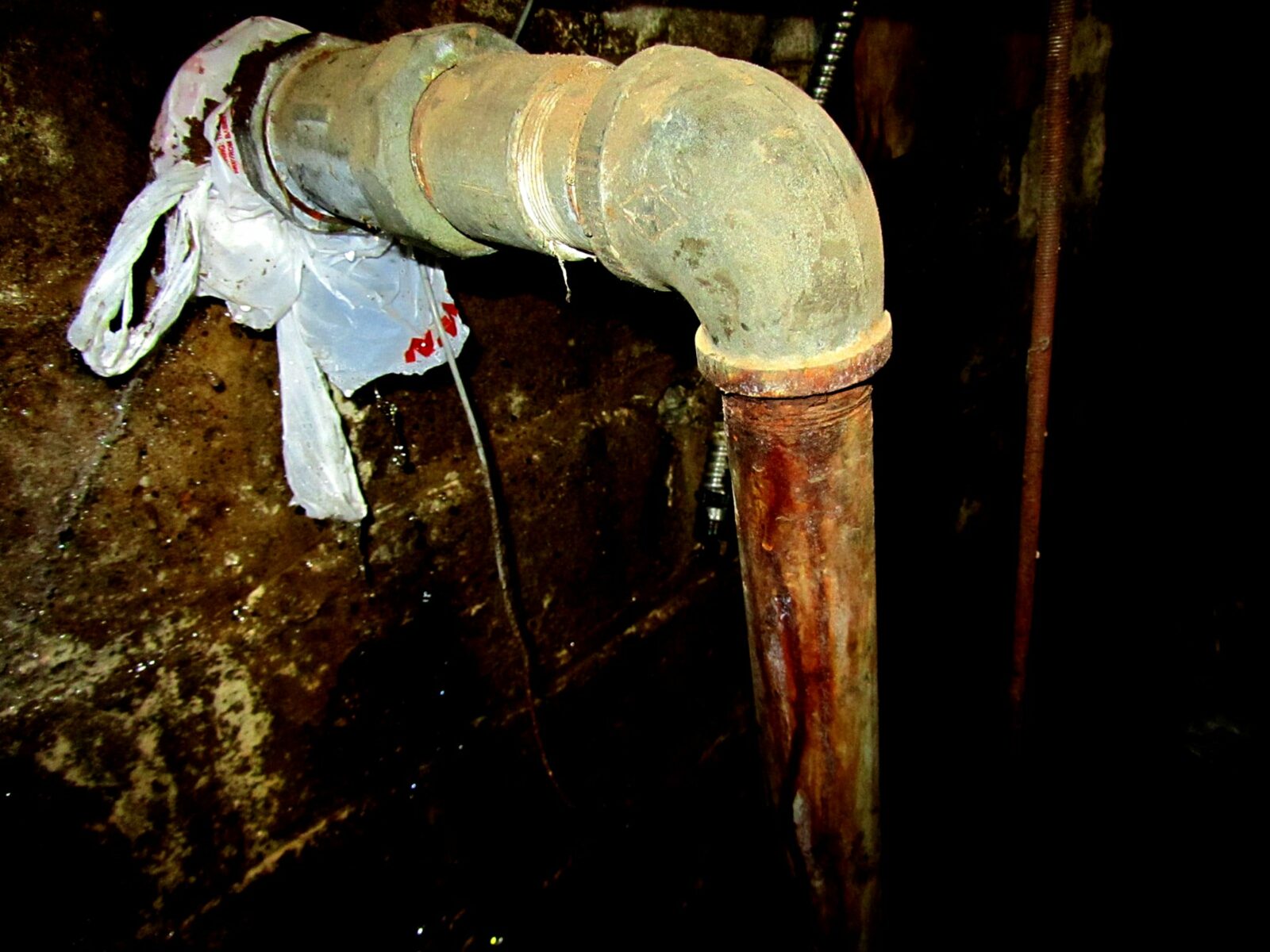
Flue and Duct Linings
Scan the interiors of older central heating boiler flues and ducts, and you'll typically locate asbestos-containing linings hidden beneath layers of metal or stonework. These flue cellular linings were generally set up to boost fire resistance and protect against warmth loss, because of asbestos's outstanding shielding homes. In lots of systems, asbestos duct wrap worked as an included layer around ductwork, more minimizing warm transfer and improving performance. If you're dealing with heating unit installed prior to the 1980s, the existence of asbestos in flue cellular lining or air duct wrap is extremely probable. Disturbing or removing these products can release hazardous asbestos fibers into the air. Constantly assess the problem of these linings meticulously, and never ever effort elimination without correct safety actions and professional guidance to minimize wellness threats.
Gaskets and Seals
Reliability in high-temperature atmospheres typically relied on asbestos-based gaskets and seals, specifically in central heating boiler flues and pipe links. You'll find these parts commonly used in older furnace, where the product's heat resistance and durability were necessary. Asbestos fibers were combined with binders to create compressible sealants that could keep a limited seal, even when subjected to fluctuating stress and temperature levels. retail strip out Unlike rubber options, asbestos-based gaskets didn't degrade promptly under thermal tension, making them a favored choice until wellness risks ended up being widely understood. asbestos removal If you're examining or fixing tradition systems, it's important to identify that these gaskets and seals could still have asbestos. Today, contemporary systems utilize much safer materials, however asbestos residues in old tools can provide continuous exposure hazards if interrupted.
Indicators Your Heating System Consists Of Asbestos
You can commonly detect potential asbestos in your furnace by trying to find typical visual indicators, such as white or gray fibrous material on pipes or installations. It's additionally crucial to take into consideration the age of your system— units set up before the 1980s are most likely to consist of asbestos components. Understanding these factors assists you analyze the risk prior to taking more activity.
Common Visual Indicators Present
When inspecting a home heating system for possible asbestos-containing products, it is necessary to see for specific aesthetic hints that may show its presence. check them out Try to find grayish-white insulation wrapping around pipelines, elbows, or boiler flues, as these were generally made with asbestos. You could likewise notice noticeable degeneration such as cracks, water damage, or grainy surface areas, which can signal that the material is damaging down. The appearance of friable debris— loose, brittle, or messy product below or around the insulation— is a strong indicator that asbestos fibers may exist and possibly airborne. In addition, old cement panels or gaskets around joints may be suspicious. Constantly stay clear of troubling any type of suspicious products, as this can boost the danger of fiber launch and exposure.
Age and Installation Date
Along with visual clues, the age and installment day of your heater play a considerable role in reviewing asbestos risk. If your central heating boiler, flue, or connected ductwork was installed prior to the mid-1980s, it's more probable to include asbestos as a result of the installment era's construction criteria. Asbestos was generally made use of in heater for insulation and fire resistance till laws transformed in the late 20th century. You ought to examine paperwork or property records to identify the installation day. artex removal Systems mounted after more stringent asbestos policies— typically post-1990-– are less likely to contain asbestos products. Nevertheless, also if your system was customized or upgraded, original components from the earlier installation period may remain, so it is very important to validate every component of the furnace's background.
Health And Wellness Dangers of Asbestos Direct Exposure From Home Heating Equipment
Exposure to asbestos fibers launched from maturing or damaged home heating devices poses significant health and wellness risks, especially within encased interior atmospheres. When you breathe in airborne asbestos fibers, they can come to be lodged in your lung cells, resulting in significant conditions such as asbestosis, lung cancer cells, and mesothelioma. These problems are well-documented among people with work direct exposure, but property owners and building residents can also be at risk if furnace having asbestos are disturbed. A remarkable problem is the extensive latency periods connected with asbestos-related health problems; signs may not show up until 10 to 40 years after preliminary exposure. Also quick or low-level direct exposure can add to cumulative health and wellness effects. It's important to identify these threats, particularly in residential or commercial properties with home heating tools set up prior to asbestos policies were carried out.
Steps to Take If You Suspect Asbestos in Your System
If you believe your heating system contains asbestos, don't try to examine, interrupt, or remove any type of materials on your very own. Asbestos fibers can come to be air-borne with very little disruption, endangering air top quality and posturing major health threats. To secure on your own, your household, and to follow legal responsibilities, follow these steps:
- Stop any activity around the presumed product to avoid fiber launch and prospective air quality deterioration.
- Call a licensed asbestos specialist * that can perform a comprehensive evaluation and tasting* in accordance with current laws.
- Testimonial your lawful responsibilities pertaining to disclosure and remediation, as guidelines may require you to notify occupants, customers, or regional authorities if asbestos is confirmed.
These steps ensure you minimize direct exposure risk and accomplish your lawful duties.
Safe Asbestos Removal and Replacement Throughout Boiler Upgrades

During boiler upgrades, guaranteeing the secure removal and substitute of asbestos-containing products is important to avoid hazardous fiber release and follow regulative requirements. If you suspect asbestos in your old boiler flues or furnace components, do not try removal on your own. Instead, employ licensed service providers educated in professional abatement strategies. These experts use unfavorable stress enclosures, HEPA filtration, and wet techniques to control dirt throughout removal. Correct waste disposal treatments are strictly followed to reduce ecological contamination. After reduction, specialists perform air surveillance to verify that asbestos fibers are not present. Substitute products ought to be non-asbestos and satisfy current safety and security codes. By counting on licensed service providers for professional reduction, you shield your wellness, ensure regulative conformity, and keep a risk-free setting during boiler upgrades.
Often Asked Concerns
Is It Lawful to Sell a House With Asbestos in the Heating System?
Almost 30% of U.S. homes constructed before 1980 contain asbestos someplace, so you're not alone if you're facing this concern. Yes, you can legally offer a home with asbestos in the furnace, however you have actually obtained lawful liability if you do not adhere to disclosure requirements. A lot of states need you to educate buyers about understood asbestos. Failing to disclose could lead to suits or monetary fines, so openness safeguards you throughout the marketing procedure.
Can Asbestos in Heating Solutions Affect Home Insurance Policy Plans?
Yes, asbestos in heater can impact your home insurance plans. Insurance companies frequently take into consideration asbestos a considerable threat, leading to insurance policy implications such as greater premiums, plan exclusions, and even rejection of coverage. You'll likely find that numerous plans leave out damages or responsibility associated to asbestos as a result of the connected health and wellness threats and remediation prices. It's vital to examine your plan terms carefully and go over any type of asbestos issues with your insurance firm to avoid unexpected voids in insurance coverage.
Just How Much Does Expert Asbestos Removal From Boiler Flues Price?
Like peeling off away layers of background, asbestos reduction and flue removal expenses can differ commonly. You'll usually pay between $1,500 and $3,500 for expert asbestos removal from boiler flues, depending upon the level of contamination and access. Licensed service providers adhere to rigorous safety procedures, and prices mirror labor, disposal costs, and governing conformity. It's crucial to get multiple price quotes to make sure you're receiving evidence-based recommendations and reasonable pricing for your project.
Exist Government Grants for Asbestos Removal in Old Homes?
Yes, you might qualify for asbestos grants or elimination financing if your home satisfies specific requirements, like being constructed prior to a details year or if occupants are considered vulnerable. Regional councils and government programs occasionally offer financial aid, but accessibility varies by area. It's crucial to check with your neighborhood authority or pertinent wellness division for updated information on current gives, eligibility requirements, and the application procedure to secure asbestos removal funding.
Does Asbestos in Heating Solutions Affect Property Worth?
You need to know that approximately 60% of buyers may watch homes with asbestos adversely, straight influencing home worth. Market perception plays a significant duty— homes with asbestos typically offer for less and may rest longer on the marketplace, affecting resale timing. Lenders may additionally think twice to finance such residential or commercial properties. Objectively, the presence of asbestos can decrease your home's allure, requiring remediation prior to you accomplish suitable value and a quicker sale.